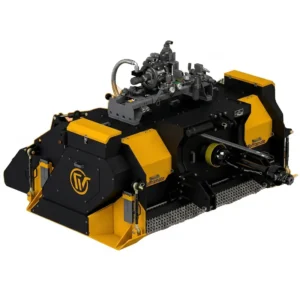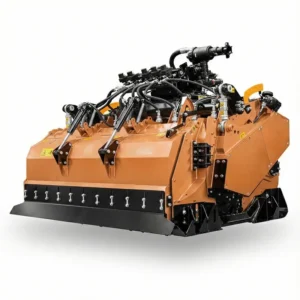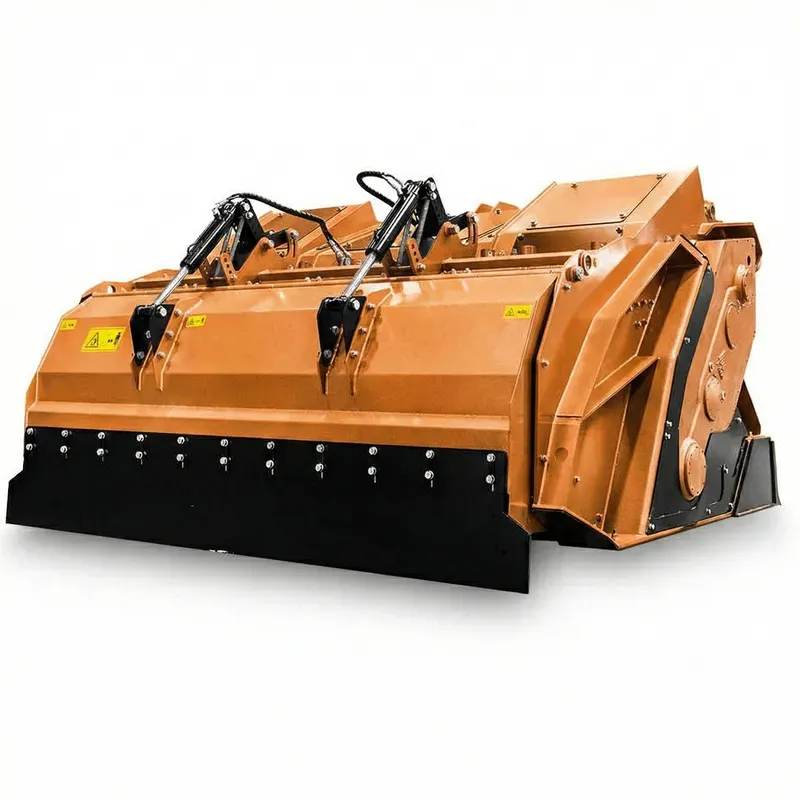
STABI/FRS Stabilizator gleby do ciągników
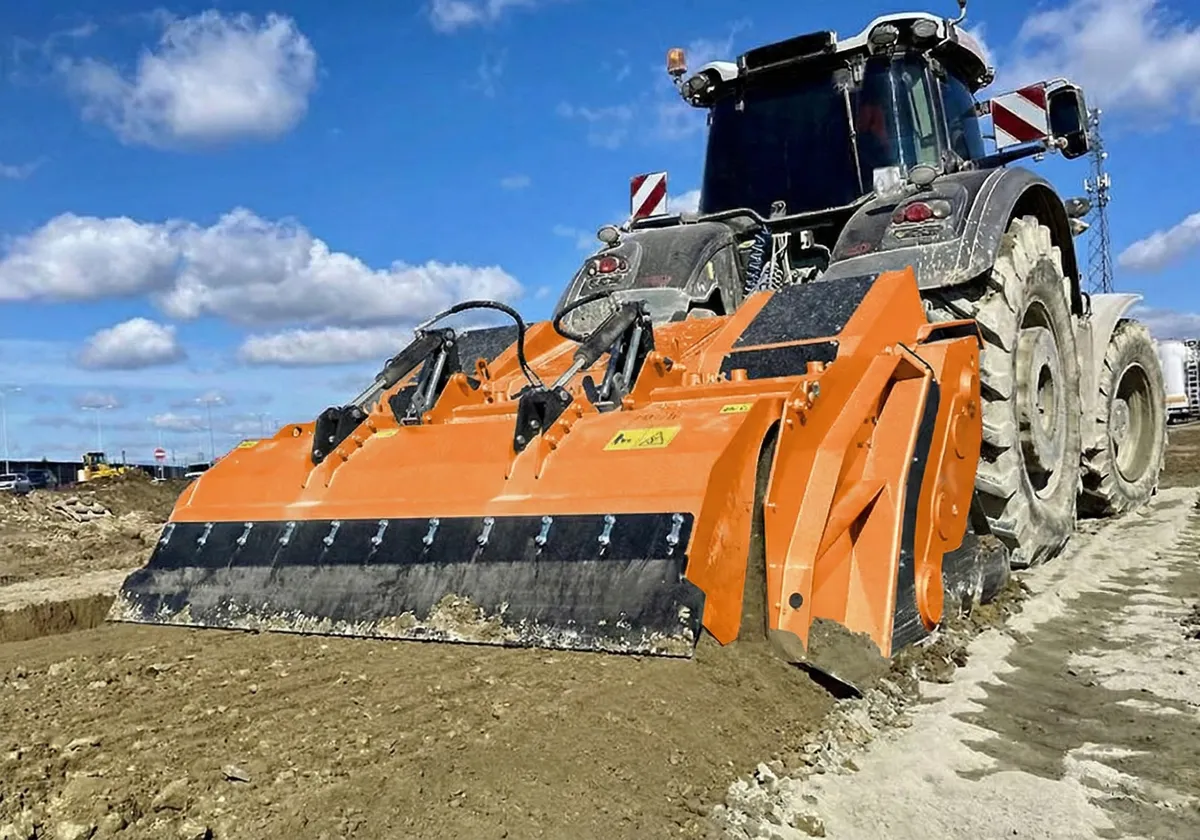
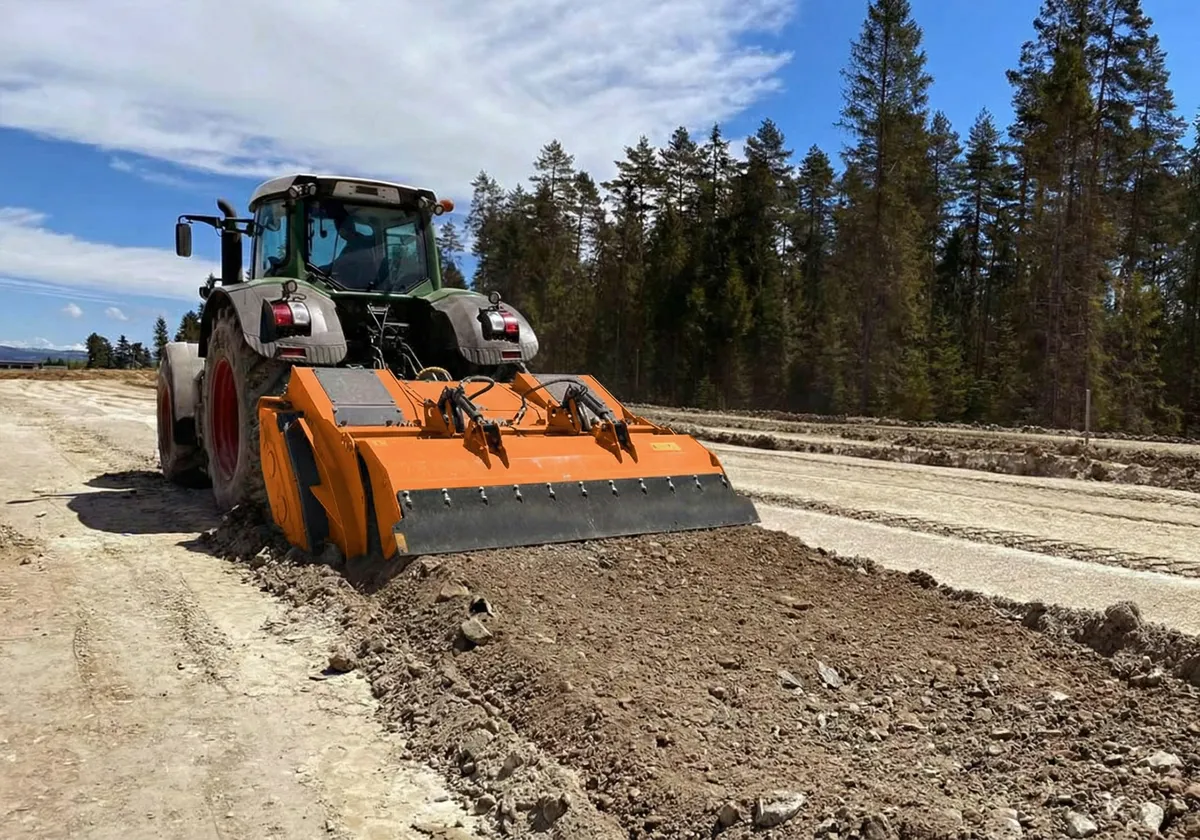
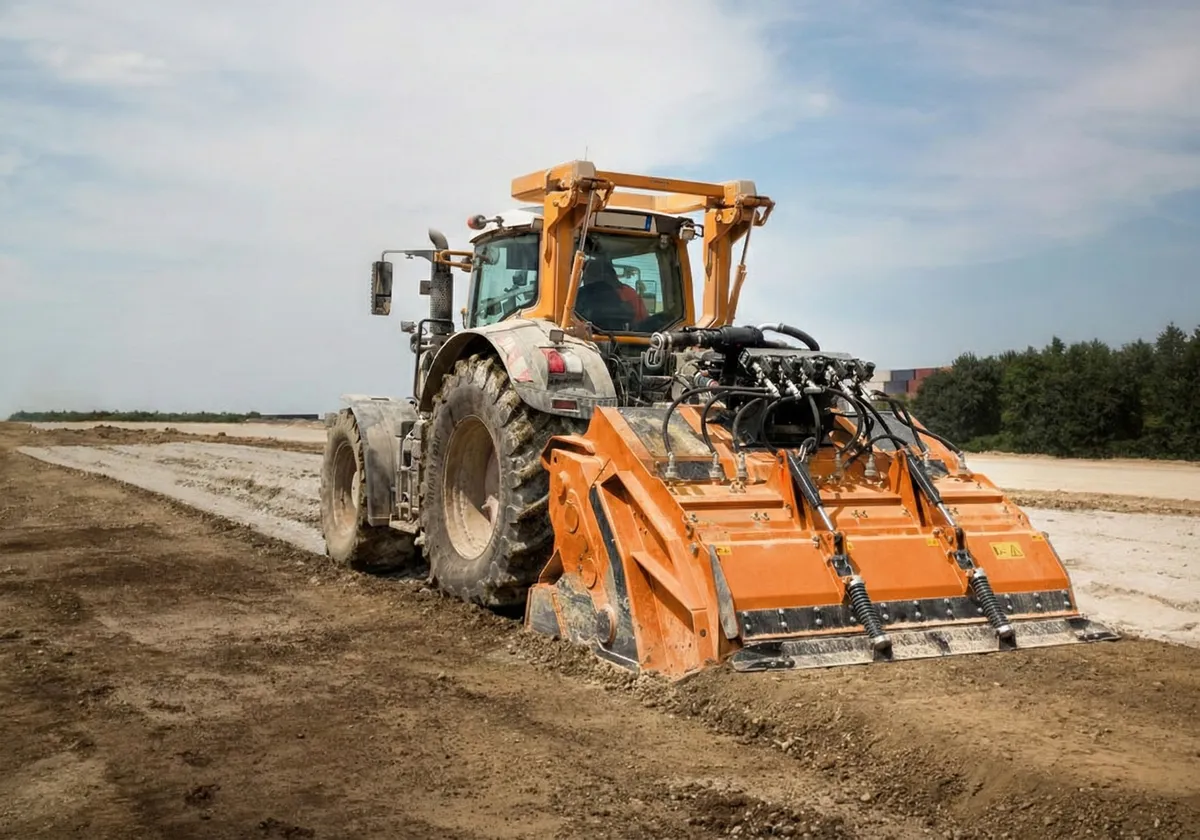
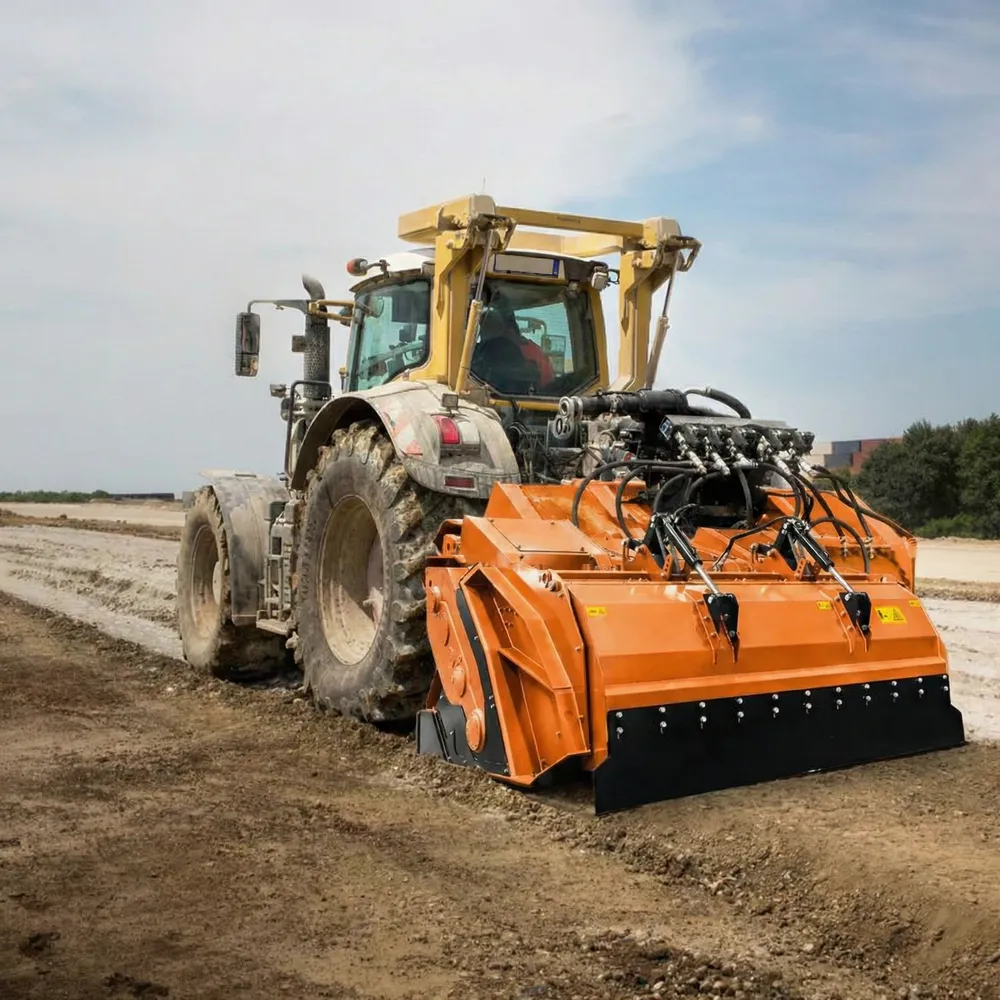
Poznaj nasz wytrzymały stabilizator gruntu do ciągników, precyzyjny zamiennik modeli FAE STABI/FRS, odpowiedni do jednostek o mocy 300-500 KM, maksymalnej głębokości 500 mm i szerokości roboczej 2,3-2,5 m. Idealny do mieszania twardych gleb w budownictwie drogowym lub na placach budowy, zapewnia skuteczną stabilizację przy minimalnym zużyciu energii i długotrwałej niezawodności – skontaktuj się z Mexico Watanabe, aby uzyskać sprzęt dostosowany do indywidualnych potrzeb, który zwiększy efektywność projektu.
Stabilizator gleby ciągnikowej STABI/FRS Przegląd
Podczas realizacji zadań związanych z przygotowaniem gruntu na dużą skalę, specjaliści często poszukują niezawodnych stabilizatorów gleby, które poradzą sobie z trudnymi warunkami bez kompromisów w zakresie wydajności. Nasz stabilizator gleby do ciągników stanowi skuteczny zamiennik systemu FAE STABI/FRS, zaprojektowany z myślą o bezproblemowej integracji z ciągnikami o mocy od 300 do 500 koni mechanicznych. Sprzęt ten doskonale przekształca niestabilny grunt w solidną podstawę poprzez dokładne wymieszanie gleby ze środkami stabilizującymi, takimi jak wapno lub cement.
W jej konstrukcji priorytetem jest wytrzymałość i wydajność, dzięki czemu nadaje się zarówno do niewielkich placów budowy, jak i do rozległych projektów infrastrukturalnych, takich jak budowa autostrad czy przygotowanie pasów startowych na lotniskach. Mechanizm ze stałym wirnikiem umożliwia głęboką penetrację przy jednoczesnym utrzymaniu niskiego zużycia energii, co przekłada się na oszczędności w dłuższej perspektywie. Operatorzy doceniają to, że maszyna utrzymuje stałą wydajność nawet na skalistym lub ubitym terenie, zmniejszając potrzebę częstych regulacji podczas pracy.
Specyfikacja produktu
Jeśli Twój projekt wymaga niestandardowych modyfikacji wykraczających poza standardowe specyfikacje, takich jak zmiana konfiguracji zębów lub ulepszone systemy chłodzenia, skontaktuj się z naszym zespołem w Mexico Watanabe w celu uzyskania spersonalizowanych konsultacji. Jesteśmy gotowi dopasować najlepsze produkty do stabilizacji gruntu do Twoich indywidualnych potrzeb.
| Model | STABI/FRS-225 | STABI/FRS-250 | STABI/FRS/HP-225 | STABI/FRS/HP-250 |
| Ciągnik (KM) | 300-400 | 300-400 | 400-500 | 400-500 |
| WOM (obr./min) | 1000 | 1000 | 1000 | 1000 |
| Szerokość robocza (mm) | 2320 | 2560 | 2320 | 2560 |
| Szerokość całkowita (mm) | 2750 | 2990 | 2750 | 2990 |
| Waga (kg) | 6300 | 6500 | 6550 | 6750 |
| Średnica wirnika (mm) | 1085 | 1085 | 1085 | 1085 |
| Maksymalna głębokość robocza (mm) | 500 | 500 | 500 | 500 |
| Liczba zębów typu A/3 + STC/FP + STC/3/FP | 64+4+4+4 | 68+4+4+4 | 64+4+4+4 | 68+4+4+4 |
Wyposażenie standardowe
| Hydrauliczna tylna maska z systemem zapobiegającym zatykaniu | Skrzynia biegów z wolnym kołem |
| Wymienne wewnętrzne płyty przeciwzużyciowe ze stali Hardox® | Skrzynia biegów z układem chłodzenia olejem (STABI/FRS/HP) |
| Zamknięty korpus maszyny | Wał odbioru mocy |
| Wewnętrzna ochrona boczna | Sprzęgła cierne |
| Łańcuchy ochronne | Przykręcane wały wirnika (ze stali kutej) |
| Skrzynia biegów z boczną skrzynią biegów | Ostrze drzemkowe |
| Przekładnia boczna z chłodzeniem olejowym (STABI/FRS/HP) | - |
Opcje
| Wiele opcji zębów | Ostrza spychające z systemem sprężynowym |
| Hydrauliczny łącznik górny | System zraszania wodą WSS High Flow |
| Urządzenie samonastawne typu W pomiędzy wałem napędowym WOM/skrzynią biegów | Pełny system sterowania FCS |
Główne cechy maszyny do stabilizacji gruntu STABI/FRS
Solidny wirnik charakteryzuje się udoskonaloną konstrukcją, która zwiększa efektywność mieszania gleby, minimalizując jednocześnie zapotrzebowanie na energię podczas pracy. Taka konstrukcja pozwala operatorom uzyskać dokładną stabilizację w trudnym terenie bez nadmiernego obciążenia źródła zasilania ciągnika, co przekłada się na spójną wydajność w projektach o różnej skali i niższe koszty operacyjne w dłuższym okresie użytkowania.
Wyposażone w elementy przekładni wyposażone w dostępne, boczne przekładnie redukcyjne, stabilizatory gleby uprościć rutynowe czynności serwisowe dla techników terenowych. Takie rozmieszczenie umożliwia szybkie inspekcje i wymianę części bez demontażu kluczowych elementów, zapewniając minimalny czas przestoju i wspierając długoterminową niezawodność w wymagających warunkach budowlanych lub rolniczych, gdzie bezawaryjna praca sprzętu ma kluczowe znaczenie.
Hydrauliczna tylna osłona zawiera innowacyjny mechanizm zapobiegający gromadzeniu się materiału, co zwiększa ogólną wydajność i optymalizuje zużycie paliwa. Zapewniając płynny przebieg prac nawet w gęstych lub lepkich warunkach glebowych, pomaga wykonawcom szybciej wykonywać prace, jednocześnie obniżając koszty związane ze zużyciem energii, co czyni ją praktycznym wyborem w przypadku intensywnych projektów stabilizacji.
Zintegrowany układ chłodzenia oleju przekładni i przekładni redukcyjnej jest standardem w wersjach STABI/FRS/HP, chroniąc przed przegrzaniem podczas dłuższych sesji. System ten rozprowadza chłodziwo, utrzymując optymalną temperaturę, wydłużając żywotność podzespołów i zapobiegając spadkom wydajności w warunkach wysokich temperatur, co jest niezbędne dla użytkowników wykonujących zadania związane z obróbką gleby na dużą skalę w zmiennych warunkach pogodowych.
Wyposażona w wymienne osłony wewnętrzne i boczne wykonane z materiału Hardox®, maszyna oferuje doskonałą odporność na zużycie spowodowane przez ścierne gleby i skały. Osłony te można w razie potrzeby wymieniać, aby zachować integralność konstrukcji, zapewniając ekonomiczną ochronę, która dostosowuje się do konkretnych wymagań i gwarantuje trwałą trwałość w trudnych zastosowaniach, takich jak przygotowanie podbudowy dróg czy rekultywacja gruntów.
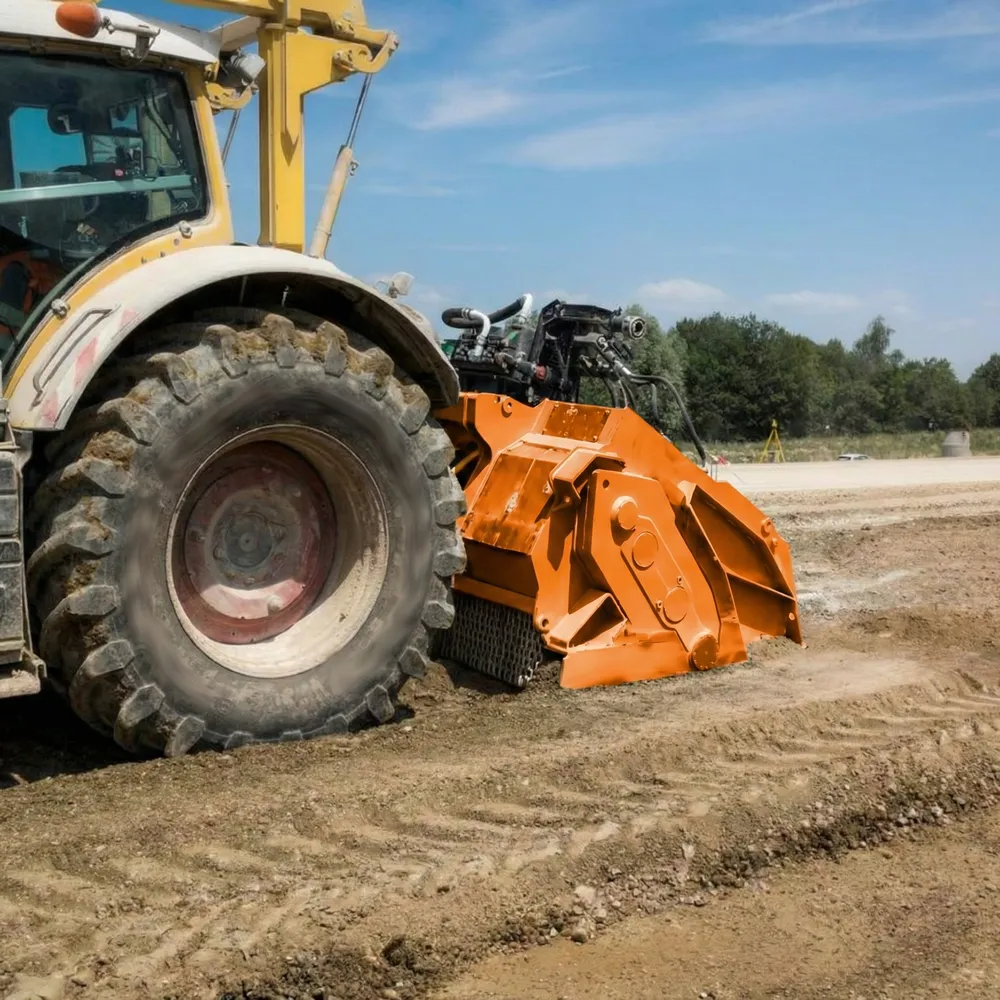
Jak działa stabilizator gleby dla traktorów?
- Pierwsze zaangażowanie na ziemi
Proces rozpoczyna się, gdy komora o stałej geometrii ustawia wystający wirnik tak, aby wbił się bezpośrednio w glebę, umożliwiając precyzyjną i kontrolowaną penetrację w różnych rodzajach terenu. Ta konfiguracja, połączona z WOM ciągnika, rozpoczyna operację, przygotowując glebę do dokładnej obróbki, zapewniając, że nawet trudne, zagęszczone warstwy są usuwane od samego początku, bez zbędnego naruszania powierzchni i nieefektywnego zużycia energii. - Aktywacja wirnika i fragmentacja gleby
Po podłączeniu, wirnik obraca się z prędkością 1000 obrotów na minutę, skutecznie rozbijając gęste struktury gleby, tworząc drobniejsze cząsteczki, które ułatwiają lepsze łączenie materiałów. Ten szybki obrót rozbija osadzone kamienie i twarde grudki, przekształcając niestabilny grunt w podłoże nadające się do obróbki, co jest niezbędne w przypadku projektów wymagających stabilnego fundamentu w budownictwie lub rolnictwie. - Integracja środków wiążących
Wirnik, rozdrabniając glebę, jednocześnie miesza składniki stabilizujące, takie jak cement lub wapno, tworząc spójną mieszankę, która stanowi solidną bazę do późniejszego zagęszczania. Ten etap mieszania zapewnia równomierne rozprowadzenie materiału na całej powierzchni, eliminując potencjalne słabe punkty i zapewniając długotrwałą trwałość przygotowanej nawierzchni, na której specjaliści polegają w przypadku niezawodnych rezultatów w rozwoju infrastruktury. - Adaptacja do zmian terenu
Hydraulicznie sterowana tylna osłona dostosowuje się w czasie rzeczywistym, dopasowując się do ukształtowania terenu, zapewniając stały kontakt i optymalizując przepływ materiałów podczas stabilizacji. Ta dynamiczna funkcja wspomaga płynny ruch po nierównych nawierzchniach, zmniejszając prawdopodobieństwo przerw w pracy i umożliwiając operatorom radzenie sobie z różnymi warunkami na placu budowy z większą precyzją i minimalną regulacją. - Mechanizm usuwania zanieczyszczeń
W obudowie znajduje się dedykowany system, który usuwa nadmiar zanieczyszczeń i zapobiega ich blokowaniu, zapewniając nieprzerwaną pracę sprzętu w miejscach z kamieniami lub resztkami roślinności. Dzięki szybkiemu usuwaniu nadmiaru materiałów mechanizm ten zwiększa ogólną wydajność, umożliwiając dłuższe sesje pracy, a jednocześnie chroniąc podzespoły wewnętrzne przed nadmiernym zużyciem w wymagających warunkach. - Dystrybucja mocy za pomocą przekładni
Przekładnie boczne zapewniają równomierne rozłożenie siły obrotowej na cały zespół wirnika, wykorzystując wbudowane zabezpieczenia, takie jak wolnobiegi, chroniące przed przeciążeniami przy zmiennych obciążeniach. Taka konfiguracja zapewnia stałą wydajność podczas długotrwałych prac, efektywnie rozprowadzając moment obrotowy, aby utrzymać pęd i zapobiec naprężeniom mechanicznym, co jest kluczowe w przypadku prac przygotowawczych na dużą skalę.
Zastosowania urządzeń do stabilizacji gleby
1. Autostrady i drogi
Specjaliści z zakresu inżynierii lądowej i wodnej często używają sprzętu do stabilizacji gruntu, aby utworzyć solidną warstwę podbudowy podczas budowy nowych dróg, co skutecznie zapobiega problemom takim jak osiadanie czy pęknięcia powierzchniowe z upływem czasu. Poprzez dodanie spoiw, takich jak wapno lub cement, maszyny tworzą wzmocniony fundament, który wytrzymuje duże obciążenia ruchem drogowym i naprężenia środowiskowe, zapewniając długotrwałą integralność konstrukcji i zmniejszając częstotliwość kosztownych napraw w sieciach transportowych o dużym natężeniu ruchu.
2. LotniskaW projektach rozwoju lotnisk, urządzenia do stabilizacji gruntu odgrywają kluczową rolę we wzmacnianiu pasów startowych i dróg kołowania, aby spełnić rygorystyczne wymagania dotyczące wytrzymywania znacznych ciężarów samolotów bez ich deformacji. Proces ten obejmuje głęboką penetrację i równomierne mieszanie środków stabilizujących z gruntem, co skutkuje uzyskaniem nawierzchni zdolnych do wytrzymywania wielokrotnych lądowań i startów, a jednocześnie spełniających wymogi przepisów bezpieczeństwa i sprawności operacyjnej infrastruktury lotniczej.
3. Parkingi
W komercyjnych i miejskich parkingach, urządzenia do stabilizacji gruntu służą do przygotowania ekspansywnych powierzchni gruntowych, które mogą niezawodnie przenosić obciążenia statyczne pochodzące od wielu pojazdów przez dłuższy czas. Technika ta poprawia spójność gruntu poprzez ukierunkowane mieszanie, zapobiegając nierównomiernemu osiadaniu i uszkodzeniom spowodowanym przez wodę, a także pozwala na uzyskanie gładszych nawierzchni, co poprawia bezpieczeństwo użytkowników i wydłuża żywotność instalacji w warunkach miejskich lub przemysłowych.
4. Małe miejsca pracy
Pomimo znacznej mocy wyjściowej, stabilizatory gruntu wykazują imponującą wszechstronność w pracach w ograniczonej przestrzeni, takich jak remonty miejskie czy prace związane z kształtowaniem krajobrazu, gdzie większe maszyny mogą okazać się niepraktyczne. Operatorzy mogą poruszać się w ciasnych przestrzeniach, skutecznie przygotowując grunt, mieszając materiały w celu stabilizacji gruntu bez nadmiernego naruszania, co ułatwia precyzyjne zastosowania w budownictwie mieszkaniowym lub przy pracach konserwacyjnych wymagających minimalnego wpływu na teren.
Wyposażenie standardowe
- Wymienne, odporne na zużycie płyty Hardox®
- Zamknięta, pyłoszczelna obudowa maszyny
- Wymienne łańcuchy ochronne
- Przekładnia wolnobiegowa
- Wały odbioru mocy boczne ze sprzęgłami ciernymi
- Skrzynia biegów z boczną skrzynią biegów
- Wspornik wału odbioru mocy dla maszyny w stanie spoczynku
- Płozy penetracyjne
- Ostrze drzemkowe
- Wymienne wałki wirnika ze stali kutej
- Wirnik z zębami A/3
- Odporne na zużycie, wymienne podeszwy Hardox®
- Odporne na zużycie płyty boczne
- Układ chłodzenia skrzyni biegów bocznej (STABI/FRS/HP)
- Układ chłodzenia skrzyni biegów (STABI/FRS/HP)
- Centralny wałek odbioru mocy bez sprzęgła krzywkowego
Typowe problemy z maszyną do stabilizacji gruntu
- Wirnik nie obraca się
Gdy wirnik przestaje się obracać podczas pracy, operatorzy powinni najpierw sprawdzić, czy połączenie wału odbioru mocy jest prawidłowo ustawione i pewnie zablokowane, ponieważ niewspółosiowość często wynika z ruchu ciągnika po nierównym terenie. Sprawdzenie układu napędowego pod kątem zsuniętych pasów lub uszkodzonych sprzęgieł pomaga szybko przywrócić sprawność, zapobiegając dalszemu obciążeniu sprzętu w trudnych warunkach polowych, gdzie przestoje znacząco wpływają na harmonogram projektu. - Awaria hydraulicznej maski
Jeśli tylna pokrywa nie reguluje się lub nie reaguje na sterowanie, należy sprawdzić przewody hydrauliczne pod kątem wycieków lub niskiego poziomu płynu, co może być spowodowane zużyciem uszczelek po długotrwałym narażeniu na kurz i zanieczyszczenia. Odpowietrzenie układu i sprawdzenie działania cylindrów pozwala na płynne podążanie za terenem, co zapewnia stałą jakość mieszania gleby bez ryzyka przelania materiału lub przerw w pracy w różnych miejscach. - Przegrzanie skrzyni biegów
Przegrzanie w przekładniach bocznych występuje zazwyczaj podczas długotrwałej pracy w wysokich temperaturach otoczenia, co wymaga natychmiastowej kontroli poziomu oleju i żeber chłodzących pod kątem zatorów spowodowanych resztkami zanieczyszczeń. Płukanie układu i wymiana zużytego środka smarnego przywraca prawidłową regulację temperatury, zapewniając niezawodny rozkład momentu obrotowego i chroniąc elementy wewnętrzne przed przedwczesną awarią podczas ciężkich zadań stabilizacyjnych. - Zużyte lub złamane zęby
Nadmierne zużycie zębów wirnika objawia się nierównomiernym przetwarzaniem gleby i zwiększonymi wibracjami, co sygnalizuje konieczność wymiany uszkodzonych zespołów na kompatybilne, dostosowane do konkretnej twardości gleby. Regularna kontrola konfiguracji zębów i szybka wymiana uszkodzonych elementów zapewnia optymalną fragmentację i mieszanie, zapobiegając słabym efektom stabilizacji, które mogłyby z czasem osłabić obrabianą powierzchnię. - Problemy z połączeniem wału odbioru mocy
Problemy z wałem odbioru mocy często objawiają się nietypowymi odgłosami lub okresową utratą mocy, zazwyczaj z powodu zużycia wielowypustów lub niewystarczającego smarowania wynikającego z nieregularnej konserwacji. Prawidłowe ustawienie wału i nałożenie świeżego smaru w punktach połączeń rozwiązuje te problemy, umożliwiając płynne przenoszenie mocy z ciągnika i utrzymanie prędkości obrotowej wirnika na wymaganym poziomie, co zapewnia skuteczne nawożenie gleby. - Nadmierne wibracje maszyny
Wysoki poziom wibracji podczas użytkowania wskazuje na potencjalne niewyważenie wirnika lub poluzowane śruby mocujące ramę, co wymaga dokręcenia wszystkich elementów mocujących i wyważenia zespołu, jeśli to konieczne. Usunięcie tych źródeł drgań zmniejsza zmęczenie operatora i chroni otaczające podzespoły ciągnika, umożliwiając bezpieczniejszą i bardziej precyzyjną pracę w zróżnicowanych warunkach glebowych bez utraty stabilności całego sprzętu. - Gromadzenie się zanieczyszczeń w komorze
Nagromadzenie kamieni lub zagęszczonego materiału wewnątrz komory może powodować zatory, hamując postęp prac i ryzykując uszkodzenie zespołu wirnika. Ręczne oczyszczenie obszaru po uruchomieniu mechanizmu zapobiegającego zatykaniu i sprawdzeniu płyt ciernych pomaga utrzymać drożność ścieżek, zapewniając ciągły przepływ i wydajne mieszanie bez powtarzających się przerw w miejscach o dużej zawartości kamieni.
Często zadawane pytania
P: Jak wybrać najlepszy stabilizator gleby do mojego ciągnika?
A: Wybór najodpowiedniejszego sprzętu do stabilizacji gruntu wymaga oceny zakresu mocy ciągnika, zazwyczaj od 300 do 500 KM, a także wymaganej szerokości roboczej i specyficznych wyzwań terenowych, z jakimi boryka się dana budowa. Modele renomowanych dostawców oferują elastyczne konfiguracje, które dopasowują się do różnych zastosowań, zapewniając kompatybilność z posiadanymi maszynami, a jednocześnie priorytetyzując takie czynniki, jak trwałość i wydajność operacyjna, aby skutecznie sprostać wymaganiom projektu bez zbędnych komplikacji.
P: Czy sprzęt do stabilizacji gruntu nadaje się do budowy dróg?
A: Sprzęt do stabilizacji gruntu wykazuje dużą przydatność w budownictwie drogowym, szczególnie w tworzeniu stabilnego podłoża, odpornego na erozję i duże obciążenia w miarę upływu czasu. Dzięki zastosowaniu tej technologii w projektach stabilizacji twardego gruntu drogowego, wykonawcy mogą uzyskać spójne warstwy fundamentowe, które wydłużają żywotność nawierzchni, co czyni ją preferowanym wyborem w przypadku inwestycji infrastrukturalnych, gdzie niezawodność gruntu bezpośrednio wpływa na powodzenie całego projektu i standardy bezpieczeństwa.
P: Jak głęboko można zamontować stabilizator gruntu?
A: Osprzęt do stabilizacji gruntu zazwyczaj sięga na głębokość do 500 milimetrów, umożliwiając kompleksowe mieszanie, które zapewnia solidną stabilizację warstw gleby o zróżnicowanym składzie. Ta funkcja pozwala operatorom skutecznie radzić sobie z głębszymi niestabilnościami, zapewniając, że poddany zabiegowi obszar stanowi solidną platformę do późniejszych prac budowlanych lub rolniczych, bez konieczności wykonywania dodatkowych przejazdów lub stosowania dodatkowego sprzętu.
P: Jakiej konserwacji wymagają rozwiązania stabilizujące glebę?
A: Utrzymanie stabilności stabilizatorów gruntu wymaga regularnych kontroli zębów wirnika pod kątem oznak zużycia, regularnego smarowania elementów przekładni w celu zapobiegania awariom związanym z tarciem oraz dokładnego czyszczenia w celu zapobiegania zatorom spowodowanym nagromadzonymi zanieczyszczeniami. Wdrożenie cotygodniowych przeglądów jako standardowej praktyki pomaga utrzymać gotowość operacyjną, wydłużając żywotność sprzętu i zapewniając nieprzerwaną wydajność w środowiskach narażonych na trudne warunki glebowe.
P: Jak stabilizator gleby dla ciągników radzi sobie na kamienistym gruncie?
A: Stabilizator gleby do ciągników doskonale radzi sobie z kamienistym podłożem dzięki wzmocnionemu wirnikowi i specjalistycznym konfiguracjom zębów, które skutecznie rozbijają i wbudowują kamienie w mieszankę, nie wpływając negatywnie na integralność maszyny. Taka konstrukcja zapewnia wysoką wydajność nawet w trudnym terenie, umożliwiając płynny przebieg prac stabilizacyjnych i redukując wpływ elementów ściernych na ogólną wydajność.
P: Jakie zalety ma stabilizator twardego gruntu drogowego w porównaniu z metodami ręcznymi?
A: Zastosowanie stabilizatora twardego gruntu drogowego oferuje wyraźne korzyści w porównaniu z metodami ręcznymi, w tym znaczną oszczędność czasu dzięki procesom zmechanizowanym, mniejsze zapotrzebowanie na prace pracochłonne oraz uzyskanie jednorodnych, mieszanych rezultatów, co przekłada się na wyższą wytrzymałość wykończonych powierzchni. Czynniki te przyczyniają się do oszczędności kosztów i lepszej kontroli jakości, co czyni go korzystnym wyborem dla profesjonalistów dążących do optymalizacji zasobów w dużych projektach drogowych.
P: Czy mogę dostosować stabilizator gleby do mojego ciągnika?
A: Dostosowanie maszyny do stabilizacji gleby ciągnika jest rzeczywiście możliwe, dzięki dostępnym modyfikacjom, takim jak zróżnicowane rozmieszczenie zębów lub zintegrowane systemy dystrybucji wody dostosowane do specyficznych potrzeb danego miejsca. Konsultacje z producentami ułatwiają te dostosowania, zapewniając precyzyjne dopasowanie sprzętu do parametrów operacyjnych i zwiększając jego efektywność w różnych rodzajach gleby i zakresach projektów.
P: Jak prawidłowo zamontować stabilizator gruntu?
A: Prawidłowy montaż stabilizatora gruntu wymaga zamocowania go do trzypunktowego układu zawieszenia ciągnika, a następnie wyosiowania i podłączenia wału odbioru mocy (WOM), a na koniec przeprowadzenia kompleksowych testów w celu potwierdzenia stabilności i funkcjonalności. Przestrzeganie tych kroków minimalizuje błędy konfiguracji, zapewnia bezpieczną obsługę od samego początku i umożliwia natychmiastową integrację z pracami polowymi bez opóźnień.
Opinie klientów
Maria Gonzalez, Kierownik Budowy, Meksyk
„W ciągu ostatniego roku wielokrotnie testowałem ten sprzęt do stabilizacji gleby na drogach i doskonale radzi sobie z kamienistym podłożem. Szerokość robocza 2320 mm idealnie pasuje do naszego ciągnika o mocy 350 KM, dzięki czemu mieszanie przebiegało bez zarzutu. Zespół Mexico Watanabe zapewnił nam wsparcie, gdy zamawialiśmy dodatkowe części – wysłali je błyskawicznie, dotrzymując terminów.”
Robert Kline, Operator Rolny, Stany Zjednoczone
„Ten zamienny stabilizator gleby do ciągników całkowicie odmienił sposób, w jaki przygotowujemy glebę w gospodarstwie. Używamy go od 14 miesięcy, mieszając stabilizatory z tymi podmokłymi polami, a jego wytrzymałość oznacza, że jak dotąd nie musieliśmy naprawiać niczego poważnego. Dostawa była punktualna, a wskazówki dotyczące konfiguracji sprawiły, że rozpoczęcie pracy było bezproblemowe – zdecydowanie jedno z najlepszych rozwiązań w zakresie stabilizatorów gleby, jakie wypróbowaliśmy”.
Elena Vargas, kierownik placówki, Brazylia
„Naprawdę podoba nam się wydajność tej stabilizującej glebę maszyny; kopie do 500 mm, nie obciążając w żaden sposób naszego 400-konnego sprzętu. Obsługa firmy jest na najwyższym poziomie — sprawdzili u nas po zakupie, czy wszystko działa bez zarzutu. Dzięki temu nasze projekty infrastrukturalne stały się o wiele łatwiejsze, zwłaszcza na trudnych glebach tropikalnych”.
Thomas Reed, wykonawca infrastruktury, Kanada
„Konstrukcja tego stabilizatora gruntu jest solidna jak skała. Używaliśmy go do prac na pasach startowych, a ta konstrukcja zapobiegająca zapychaniu się zapewnia płynną pracę bez przestojów. Po 20 miesiącach intensywnego użytkowania, podstawowa konserwacja pozwoliła utrzymać go w dobrym stanie. Cena wydawała się odpowiednia, a urządzenie dotarło szybciej, niż się spodziewaliśmy – idealne rozwiązanie przy napiętych terminach”.
Sophia Lim, właścicielka farmy, Australia
„Zalety mieszania z tym stabilizatorem twardej gleby drogowej są oczywiste w porównaniu z naszym poprzednim sprzętem. Używamy go w codziennych pracach rolniczych od ponad roku, głównie do mieszania wapna, a poprawa warunków polowych jest widoczna jak na dłoni. Obsługa klienta natychmiast zareagowała na nasze pytanie o niestandardowe zęby, co wzmocniło nasze zaufanie do produktu”.
Diego Patel, inżynier projektu, Indie
„Sprawdza się niezawodnie jako stabilizator gruntu do budowy dróg. Model o szerokości 2560 mm doskonale współpracuje z naszym ciągnikiem o mocy 450 KM, a logistyka z Mexico Watanabe była bez zarzutu, dzięki czemu maszyna dotarła tutaj w niecałe dwa tygodnie. Nie mam żadnych zastrzeżeń co do tego, jak radzi sobie w trudnych warunkach – bez problemu poradził sobie ze wszystkim, z czym się zmierzyliśmy”.
Hans Müller, Kierownik Budowy, Niemcy
„Precyzyjna inżynieria to kwintesencja tego stabilizatora gruntu do ciągników – używamy go na podbudowie autostrad od 15 miesięcy, a powtarzalne rezultaty przy minimalnym poborze mocy są imponujące. W połączeniu z naszą jednostką o mocy 400 KM, funkcje zapobiegające zużyciu sprzętu ograniczyły konieczność wymiany. Termin dostawy był sprawny, idealnie dopasowany do faz naszego projektu, co czyni go niezawodnym stabilizatorem gruntu”.
Ivan Petrov, koordynator ds. kopalni, Rosja
„W trudnych warunkach ten osprzęt do stabilizacji gruntu sprawdził się bez problemu, stabilizując grunt pod drogi dojazdowe przez ostatnie 16 miesięcy. Solidna konstrukcja bez problemu radzi sobie z kamienistym terenem w naszym zestawie o mocy 450 KM, a jego żywotność jest lepsza niż w przypadku konkurencji. Zespół logistyczny sprawnie poradził sobie z międzynarodową dostawą, która dotarła przed terminem, co pozwoliło nam na niezakłóconą pracę”.
Informacje dodatkowe
| Edytowane przez | Yjx |
|---|